Materials and technical data
Materials and chemical resistance
Which polymer a filter fabric should be made from depends mainly on temperature, chemicals, moisture and abrasion. The Sefar material data covers 13 polymers, from polypropylene, which handles up to 90 °C dry, to PEEK, which handles up to 250 °C. The tables below reproduce the Sefar values.
- Polymers in the Sefar material data
- 13
- PEEK, dry working temperature
- up to 250 °C
- Chemicals in the Sefar resistance table
- about 90
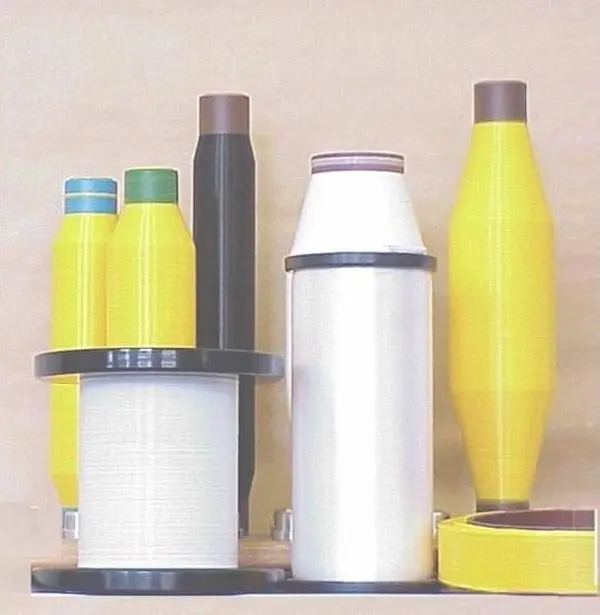
Temperature, chemicals and moisture drive the choice of material
Start with the temperature and then move on to the chemicals. Dry working temperature according to Sefar: PEEK up to 250 °C, PTFE 240 °C, FEP 200 °C, PPS 190 °C, polyester (PETP) and ETFE 150 °C, ECTFE 140 °C, polyamide 115 °C, PVDF 110 °C and PP 90 °C.
Bigman is the Sefar distributor in Sweden, Norway and Iceland and helps you choose material and weave to suit your process.
Sefar disclaimer: The information is derived from published data of the fibre manufacturers and laboratory tests, generally at 20 °C and with concentrated or saturated solutions. Properties can differ considerably under industrial conditions. The values are a guide only and must be verified by laboratory and field tests before industrial use.
Mechanical data by polymer
Polypropylene is the lightest, with a specific gravity of 0.91. Polyamide 6.6 and 6 absorb the most moisture, 3.5–4.5%, and retain 85–90% of their strength in wet conditions. The other polymers retain 96–100%.
| Material | Abbr. | Sefar code | Specific gravity | Tensile strength, daN/mm² | Rel. strength, wet | Elongation at break | Moisture absorption |
|---|---|---|---|---|---|---|---|
| Polyamide 6.6 | PA66 | 03 | 1.14 | 41–67 | 85–90% | 20–35% | 3.5–4% |
| Polyamide 6 | PA6 | 06 | 1.14 | 41–67 | 85–90% | 20–60% | 3.5–4.5% |
| Polyamide 11 | PA11 | 23 | 1.04 | 47–70 | 96–98% | 15–50% | 1.2% |
| Polyamide 12 | PA12 | 04 | 1.01 | 30–50 | 96–98% | 20–60% | 0.8% |
| Polyester (polyethylene terephthalate) | PETP | 07 | 1.38 | 45–75 | 100% | 15–30% | 0.4% |
| Polypropylene | PP | 05 | 0.91 | 35–62 | 100% | 20–50% | 0 |
| Polyvinylidene fluoride | PVDF | 02 | 1.78 | 68–79 | 100% | 20% | 0.04% |
| Ethylene chlorotrifluoroethylene | ECTFE | 08 | 1.69 | 28 | 100% | 25% | < 0.1% |
| Ethylene tetrafluoroethylene | ETFE | 09 | 1.75 | 40–50 | 100% | 25% | 0 |
| Polytetrafluoroethylene | PTFE | 24 | 1.4–2.0 | 58–80 | 100% | 17–33% | 0 |
| Polyphenylene sulphide | PPS | 25 | 1.37 | 60–91 | 100% | 25–35% | 0.6% |
| Fluorinated ethylene propylene | FEP | 13 | 2.1 | 84 | 100% | 55% | 0.01% |
| Polyether ether ketone | PEEK | 17 | 1.30 | 33–75 | 100% | 20–40% | 0.1% |
Sefar gives density as "specific gravity" without a unit. Moisture absorption applies at 20 °C and 65% relative humidity. Sefar gives the abbreviation and material code; the full names are ours.
Thermal data by polymer
PEEK has the highest dry working temperature, up to 250 °C. All four polyamides handle −40 to +115 °C but turn yellow above 100 °C. Sefar gives only the dry working temperature in the material sheet.
| Abbr. | Melting point, °C | Softening point, °C | Working temperature, dry, °C |
|---|---|---|---|
| PA66 | 247–253 | 225–235 | −40 to +115 * |
| PA6 | 215–223 | 170–185 | −40 to +115 * |
| PA11 | 187 | 160 | −40 to +115 * |
| PA12 | 178 | 155–170 | −40 to +115 * |
| PETP | 250–260 | 220–240 | −75 to +150 |
| PP | 165–175 | 140–155 | −30 to +90 |
| PVDF | 175 | 148 | 110 |
| ECTFE | 245 | 180 | up to 140 |
| ETFE | 265–278 | > 150 | −190 to +150 |
| PTFE | 335 (decomposes) | 260 | up to 240 |
| PPS | 285 | > 200 | up to 190 |
| FEP | 285 | 274 | up to 200 |
| PEEK | 334 | 300 | up to 250 |
* The polyamides turn yellow above 100 °C. Sefar gives no lower temperature limit for PVDF, ECTFE, PTFE, PPS, FEP and PEEK.
Wet operation in vacuum belt filters
For vacuum belt filter belts, Sefar gives a maximum recommended temperature in wet conditions. The values apply to that application and are lower than the dry working temperatures.
| Material | Maximum temperature, wet |
|---|---|
| PP | 75 °C |
| PET | 90 °C |
| E-CTFE | 110 °C |
| PEEK | 140 °C |
Rated properties
Sefar rates light, weathering, abrasion and resistance on a three-step scale: good, limited and poor. Good is the top of the scale. ETFE, PTFE, FEP and PEEK are rated good on every point, and none of the polymers is affected by the atmosphere.
| Abbr. | Light | Atmospheric influence | Abrasion | Acids | Alkalis | Solvents | Hydrolysis |
|---|---|---|---|---|---|---|---|
| PA66 | poor | none | good | limited–poor | good | limited | good |
| PA6 | poor | none | good | limited–poor | good | good | good |
| PA11 | limited | none | good | limited–poor | limited | good | good |
| PA12 | poor | none | good | limited–poor | good | good | good |
| PETP | poor | none | limited | good | limited | good | limited |
| PP | poor | none | limited | good | good | good | good |
| PVDF | good | none | limited | good | good | limited | good |
| ECTFE | good | none | limited | good | good | good | good |
| ETFE | good | none | good | good | good | good | good |
| PTFE | good | none | good | good | good | good | good |
| PPS | good | none | good | limited | limited | good | good |
| FEP | good | none | good | good | good | good | good |
| PEEK | good | none | good | good | good | good | good |
The rows for acids, alkalis and solvents are summary ratings. The chemicals table below is more detailed and can differ for individual substances.
Chemical resistance by material group
PTFE is rated A (good) for every chemical in the Sefar table. The polyamides and polyester have the clearest weaknesses: polyamide against strong acids and oxidising agents, polyester against alkalis. The Sefar table lists about 90 chemicals and rates them A (good), B (limited), C (unsatisfactory) and (Q) for swelling.
| Material group | Resists well (A) | Weak (C) |
|---|---|---|
| Polyamide (PA66, PA6, PA11, PA12) | Alkalis, alcohols, aromatics and ketones | Practically all strong acids, oxidising agents and halogens |
| Polyester (PETP) | Most organic acids and phosphoric acid 50% | Sodium hydroxide 15%, potassium hydroxide 10%, ammonium hydroxide 25% and several chlorinated solvents |
| Polypropylene (PP) | Hydrochloric acid, hydrofluoric acid and alkalis | Toluene, xylene, petrol, tetrahydrofuran, carbon tetrachloride and tetrachloroethylene |
| PVDF | Strong mineral acids, most alkalis | Acetone, amyl acetate, aniline, pyridine, tetrahydrofuran, fluorine and oleum. B for sodium hydroxide 15% |
| ECTFE | All listed chemicals except pyridine | Pyridine. A–B for isopropanol and tetrahydrofuran |
| ETFE | All listed chemicals | None. A–B for isopropanol |
| PTFE | All listed chemicals | None |
| FEP | All chemicals for which a value is given | None |
| PPS | Most organic solvents | Many strong acids, oxidising agents, halogens and chlorinated solvents |
| PEEK | Alkalis, most organic solvents | Hydrofluoric acid, hydrobromic acid, aqua regia, oleum and fluorine. B for nitric acid 50%, hydrogen peroxide 30% and chlorine |
Chemicals where the materials differ sharply
Against oleum and aqua regia, only ECTFE, ETFE, PTFE and FEP are rated A. The table shows the chemicals where the choice of polymer makes the biggest difference.
| Chemical | PA66 | PA6 | PA11 | PA12 | PETP | PP | PVDF | ECTFE | ETFE | PTFE | PPS | FEP | PEEK |
|---|---|---|---|---|---|---|---|---|---|---|---|---|---|
| Hydrochloric acid | C | C | C | C | B–C | A | A | A | A | A | C | A | A |
| Hydrofluoric acid | C | C | C | C | C | A | A | A | A | A | C | A | C |
| Nitric acid 50% | C | C | C | C | C | B | A | A | A | A | B | A | B |
| Oleum (fuming sulphuric acid) | C | C | C | C | C | C | C | A | A | A | C | A | C |
| Aqua regia | C | C | C | C | C | C | – | A | A | A | C | A | C |
| Sodium hydroxide 15% | A | A | A | A | C | A | B | A | A | A | A | A | A |
| Ammonium hydroxide 25% | A | A | A | A | C | A | A | A | A | A | C | A | A |
| Hydrogen peroxide 30% | C | C | – | – | C | B | – | A | A | A | C | A | B |
| Sodium hypochlorite 10% | C | C | B | B | B | B | A | A | A | A | C | A | A |
| Chlorine | C | – | C | C | C | C | A | A | A | A | C | A | B |
| Acetone | A | A | A | A | – | A | C | A | A | A | A | A | A |
| Toluene | A | A | A | A | B | C | A | A | A | A | A | A | A |
| Tetrahydrofuran | A | A | A | A | B | C | C | A–B | A | A | A | A | – |
| Pyridine | B | B | A | A | C | B | C | C | A | A | C | A | A |
| Methylene chloride | B | B | A | A | C | B | B | A | A | A | C | A | A |
| Phenol | C | C | C | C | C | A | A | A | A | A | A | A | A |
| Formic acid | C | C | C | C | A | A | A | A | A | A | C | A | B |
| Formaldehyde 30% | A | A | B | B | A | A | A | A | A | A | C | A | – |
Swelling (Q) is given only for PA6: carbon tetrachloride A (Q), chloroform B (Q) and ethanol A (Q).
How to choose a material from the Sefar data
The two Sefar sheets give an order to work through before the fabric is chosen.
- Temperature: check the dry working temperature first. For wet operation there are values only for certain applications, such as vacuum belt filters.
- Moisture and steam: PA66 and PA6 absorb 3.5–4.5% moisture and retain 85–90% of their strength in wet conditions. PETP has limited hydrolysis resistance. PP, PTFE and ETFE absorb no moisture.
- Acids: all polyamides have limited to poor acid resistance. PP, PETP and the fluoropolymers are better choices. Against oleum and aqua regia, only ECTFE, ETFE, PTFE and FEP are rated A.
- Alkalis: polyester (PETP) is rated C for sodium hydroxide 15%, potassium hydroxide 10% and ammonium hydroxide 25%. PA and PP are rated A for all three.
- Organic solvents: PP is rated C for toluene, xylene, petrol and tetrahydrofuran. PVDF is rated C for acetone, tetrahydrofuran and pyridine. The polyamides and PPS handle most organic solvents with an A.
- Oxidising agents and chlorine: polyamides, PETP and PPS are rated C for hydrogen peroxide 30% and chlorine, among others. PTFE, FEP, ETFE and ECTFE are rated A.
- Abrasion and light: abrasion resistance is good for PA, ETFE, PTFE, PPS, FEP and PEEK but limited for PETP, PP, PVDF and ECTFE. Light stability is poor for PA66, PA6, PA12, PETP and PP.
- Verify: the values apply at 20 °C and to concentrated or saturated solutions and are based on laboratory tests. Sefar requires laboratory and field tests before industrial use.
Frequently asked questions
Which polymer handles the highest temperature?
PEEK, with a dry working temperature of up to 250 °C according to Sefar. Next come PTFE at up to 240 °C and FEP at up to 200 °C.
Can polyester fabric withstand caustic solutions?
No, not according to the Sefar table. Polyester (PETP) is rated C for sodium hydroxide 15%, potassium hydroxide 10% and ammonium hydroxide 25%. Polyamide and polypropylene are rated A for all three.
Is PVDF chemically inert?
No. PVDF handles strong mineral acids, but is rated C for acetone, tetrahydrofuran, pyridine, fluorine and oleum, among others, and B for sodium hydroxide 15%. PTFE is the only material rated A for every listed chemical.
Can I use the values as a guarantee?
No. Sefar states that the values are a guide only and are based on laboratory tests at 20 °C. The material must be verified by laboratory and field tests before industrial use.